Paul Vizzio
1. Congratulations on winning the NY Product Design Awards! Can you introduce yourself and share about what inspired you to pursue design as a career?
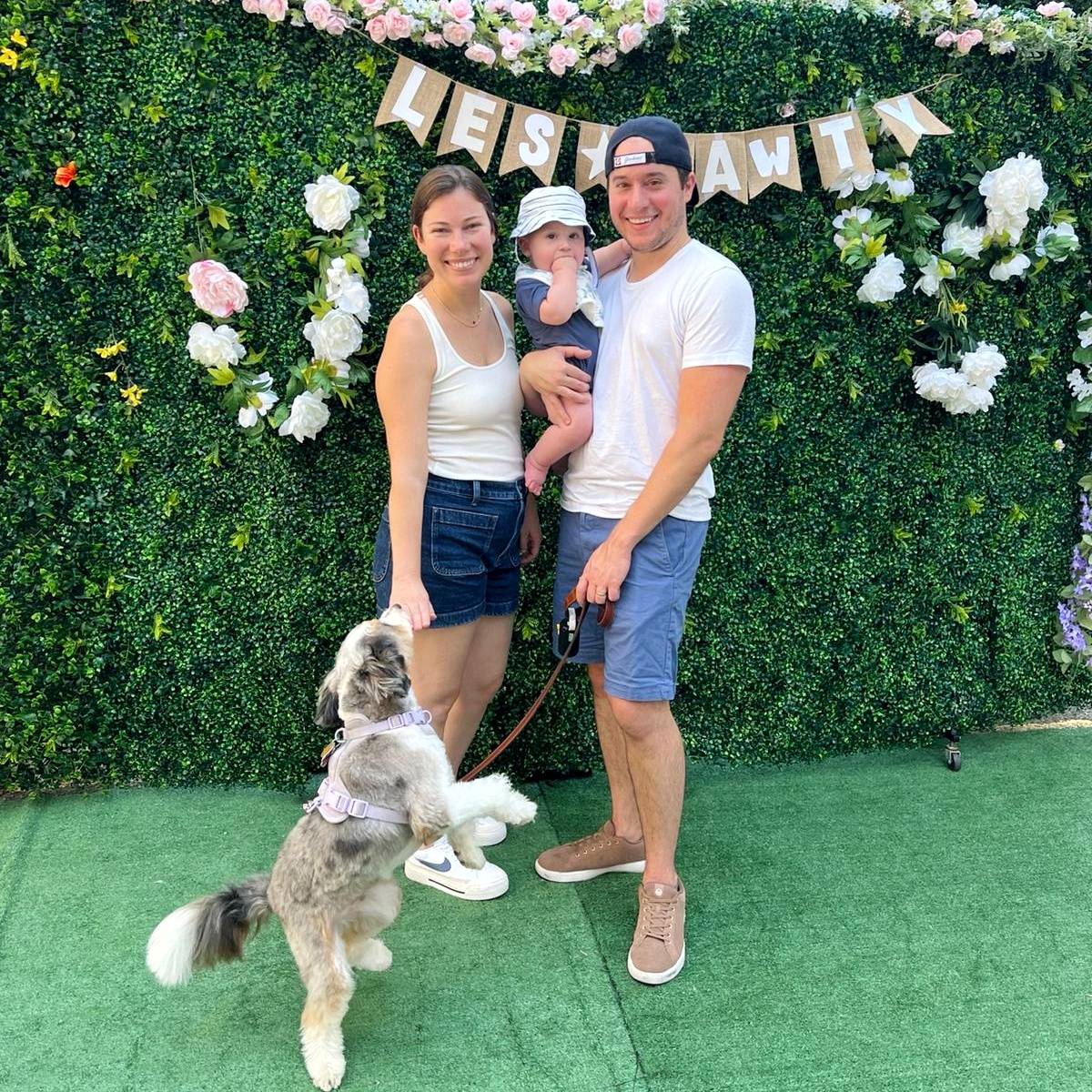
I’m Paul Vizzio, a mechanical engineer and the co-founder of RemieDog, a small NYC-based family business. My background is in building physical products from concept through production, and I’ve always been drawn to solving real-world problems with simple, durable solutions.
RemieDog started because my wife and I were navigating life in the city with a dog—and now a kid—and realized most dog products weren’t designed for how people actually live. That gap is what pushed me into designing products that are practical, adaptable, and built to be used every day.
2. What does being recognized in the NY Product Design Awards mean to you?
It’s a big deal because this wasn’t designed as a “design award product”—it was designed to solve a real problem well. So having it recognized from a design perspective validates that usability, engineering, and thoughtful details matter just as much as aesthetics. It also means a lot coming from New York, since the product was built specifically for city life.
3. How has this achievement impacted your career, team, or agency, and what opportunities has it brought so far?
It’s helped reinforce credibility, especially as a small brand competing with much larger companies. Awards like this open doors—whether that’s partnerships, press, or just giving customers more confidence when they discover us for the first time. Internally, it’s also motivating. It shows that the extra effort we put into engineering details doesn’t go unnoticed.
4. What role does experimentation play in your creative process? Can you share an example?
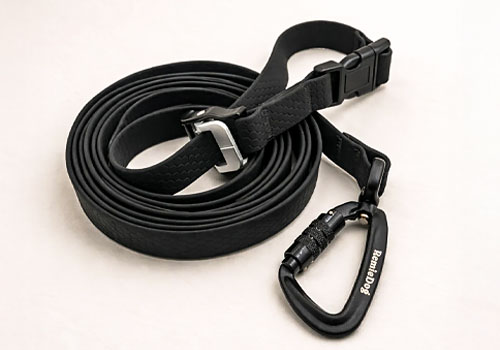
Experimentation is everything. With the Sutton Slide Leash, the locking mechanism went through dozens of iterations. We tested different friction systems, geometries, and materials to get something that could adjust quickly but still hold under load. A lot of those versions failed—either slipping, jamming, or being too complex. The final design came from simplifying, not adding more.
5. What's the most unusual source of inspiration you've ever drawn from for a project?
Honestly, just walking around NYC. Watching how people juggle a dog, a phone, coffee, groceries, and sometimes a stroller—all at the same time. That chaos is where a lot of the ideas come from. It’s less about traditional “design inspiration” and more about observing real behavior.
6. What’s one thing you wish more people understood about the design process?
Good design usually looks simple, but it’s rarely simple to achieve. A lot of work goes into removing friction—physically and mentally—for the user. That often means more engineering effort, not less.
7. How do you navigate the balance between meeting client expectations and staying true to your ideas?
In consulting work, I’ve learned that the best outcome usually comes from aligning on the problem, not the solution. If you’re clear on the problem, you can push for better ideas without it feeling like you’re ignoring client input. With RemieDog, we’re effectively designing for ourselves as users, which helps keep that balance honest.
8. What were the challenges you faced while working on your award-winning design, and how did you overcome them?
The biggest challenge was creating a leash that could truly adapt between multiple use cases—wrist, waist, cross-body—without adding complexity or failure points. Most solutions either compromise on adjustability or durability. We solved it by focusing heavily on the locking mechanism and material selection, and by testing it in real daily use instead of just lab conditions.
9. How do you recharge your creativity when you hit a creative block?
I step away from the screen and go outside—walk the dog, spend time with family, or just move around the city. Most good ideas don’t come while forcing it; they come when you’re actually using the product or living the problem.
10. What personal values or experiences do you infuse into your designs?
Practicality, durability, and honesty. We don’t design for trends—we design for how something will be used every day. Being a family business also plays a big role. Everything we make is something we actually use ourselves.
11. What is an advice that you would you give to aspiring designers aiming for success?
Learn how things are actually made. Manufacturing, materials, assembly—those constraints are where good design happens. Also, focus on solving real problems, not just making something look good.
12. If you could collaborate with any designer, past or present, who would it be and why?
I’d be interested in collaborating with someone like Yvon Chouinard. His approach to product design is very grounded in real-world use—build something that works well, lasts a long time, and avoids unnecessary complexity. That kind of function-first thinking is something I try to carry into everything I design.
13. What's one question you wish people would ask you about your work, and what's your answer?
"What trade-offs did you have to make?”
Every product is a series of trade-offs—cost, durability, usability, manufacturability. The interesting part isn’t just what features made it in, but what didn’t and why. That’s where most of the real design decisions happen.