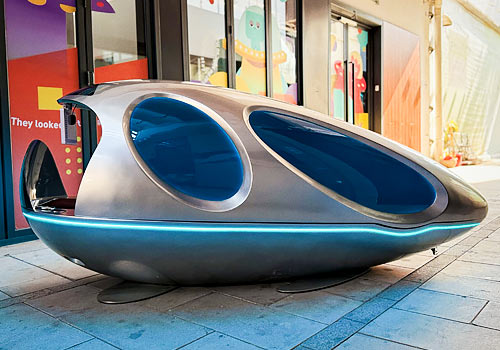
Form
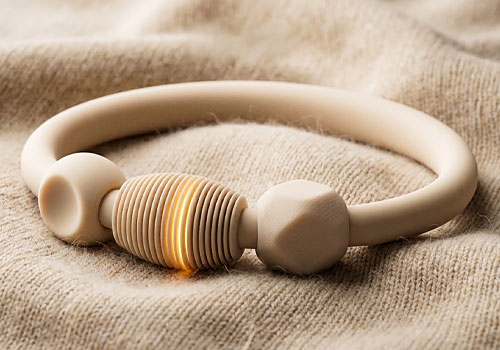
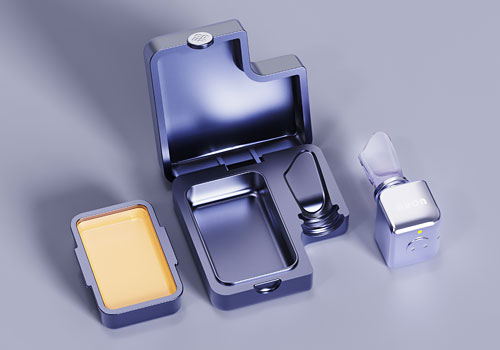
Visual character, proportions, and composition.
 Enter Award

NY Product Design Awards
Precision with purpose.
Designed around people.
Medical / Scientific Equipment
The NY Product Design Awards recognizes medical and scientific equipment shaped by careful thinking. From diagnostic devices to everyday healthcare products, celebrate design that makes complex tasks more approachable.
Product designers, medical technology companies, manufacturers, research teams, design studios, and students worldwide.
Concepts, work in progress, and completed products created within the last five years.
Submit online. Present your design through images and supporting materials. No physical samples.
View Entry GuidelinesMedical / Scientific Equipment Categories
Surgical systems using AI to support planning, precision, and decisions.
Equipment supporting dental examination, treatment, hygiene, and laboratory work.
Devices identifying, assessing, or confirming medical conditions and health indicators.
Equipment supporting urgent treatment, rescue, stabilization, and emergency response.
Equipment supporting routine consultations, examinations, and remote healthcare delivery.
General equipment supporting patient care across hospitals and medical facilities.
Specialized furniture and technology supporting laboratory testing and research.
Critical devices maintaining essential breathing, circulation, or other bodily functions.
Products used for medical diagnosis, treatment, prevention, or patient support.
Specialized furniture supporting examination, treatment, recovery, and clinical workflows.
Technologies creating internal images for diagnosis, planning, and treatment.
Precision tools and devices supporting examination, procedures, and clinical measurement.
Hygienic fixtures supporting sanitation, washing, and infection control in healthcare settings.
Devices continuously or periodically tracking patient health and vital indicators.
Equipment and technology supporting surgical procedures and operating-room workflows.
Products supporting caregiving, comfort, safety, and personal health management.
Devices helping users communicate when speech, language, or movement is limited.
Products supporting independent completion of routine personal and household activities.
Powered aids improving accessibility, independence, communication, or daily functioning.
Systems supporting health assessments, remote consultations, and connected care.
Furniture and interior products supporting care, comfort, and healthcare environments.
Wearable devices improving hearing, sound clarity, and everyday communication.
Devices measuring health, body, environmental, or treatment-related indicators.
Devices dispensing, administering, or delivering medication through controlled methods.
Products supporting balance, walking, transfers, and independent movement.
Supportive devices aligning, stabilizing, or protecting bones, joints, and limbs.
Devices providing targeted treatment, recovery, or symptom relief at home.
Artificial replacements restoring the appearance or function of missing body parts.
Products and systems supporting recovery, movement, strength, and functional independence.
Products supporting breathing, respiratory treatment, and healthier sleep.
Products supporting animal diagnosis, treatment, recovery, and ongoing health.
Medical products supporting older adults’ dignity, safety, and independence.
Healthcare concepts addressing environmental protection or ecological challenges.
Medical projects informing communities and encouraging public health awareness.
Healthcare concepts supporting accessibility, inclusion, and community wellbeing.
Medical products promoting responsible materials, production, and long-term use.
Healthcare concepts creating meaningful benefits for underserved communities.
Environmentally responsible medical products reducing waste and resource consumption.
No matching subcategories. Try a broader term or ask our team for help.
Can’t find the right fit? Each area includes a New Category option.
Ask About Your Category
2027 · Entry information
Early Bird rate. A $30 annual administrative fee applies per entrant.
Early Bird
Dec 9, 2026Regular
Jan 20, 2027Final
Feb 17, 2027Final Extension
Mar 17, 2027Full results announcementMay 14, 2027
Start Your Entry
Judging & criteria
Through blind judging, an international jury evaluates the submitted design across four criteria.
Visual character, proportions, and composition.
Originality and the thinking behind the solution.
Quality, usability, safety, and execution.
The effect on people and the environment.
Award-winning medical & healthcare design
Why enter
A winner profile brings your product, entrant details, and design story together in the NY Product Design Awards gallery.
Digital certificates, winner badges, and promotional materials help communicate your award.
Winner interview access offers a way to share the people, process, and decisions behind your work.
Explain the problem, intended users, and decisions that make the design work. Keep your written description to 350 words or less.
Show the product clearly, including scale, controls, materials, and points of contact. Include views that explain how patients, clinicians, or researchers interact with it.
Use drawings, a PDF, or a video link to explain workflows, mechanisms, or usability decisions. Clearly identify the development stage and distinguish intended functions from demonstrated results.
Before you enter
Questions about entering medical or scientific equipment?
Talk to Our TeamProduct designers, medical technology companies, manufacturers, research teams, studios, independent creators, and students worldwide may enter.
Yes. Concepts, work in progress, and completed products are eligible. Explain the project’s development stage clearly. Work submitted must have been created within the last 5 years.
No. Entries are submitted and judged online using your images, description, and supporting materials. Physical samples are not required.
Yes. Select each relevant subcategory when submitting. Additional-category pricing applies when submitted with your first entry; later submissions are charged at the first-entry rate.
Explain the intended users and purpose, then show how the design works. Include clear images of controls, contact surfaces, and the overall form. Identify the development stage and support any performance claims with appropriate evidence. Keep the written description to 350 words or less.
An international jury evaluates entries through blind judging using Form, Creativity & Innovation, Finishing & Functionality, and Impact. See the Awards page for the judging process and award levels.
NY Medical / Scientific Equipment Design Awards